Austin’s Weird Science: 5 Fascinating Local Phenomena
Austin's scientific marvels extend beyond its cultural reputation. You'll find Cretaceous dinosaur tracks along the San Gabriel River, brilliant meteor fireballs during peak showers, and raptor rehabilitation programs that return a majority of injured birds to the wild.
Zilker Park shelters 600+ native species in its 351-acre living laboratory, while Baylor University’s Mayborn Museum in Waco showcases scientifically accurate bronze mammoth sculptures inspired by a local fossil nursery herd.
These five phenomena offer just a glimpse into Central Texas's natural wonders waiting to be explored.
The Prehistoric Austin: Dinosaur Trackways and Local Fossil Secrets
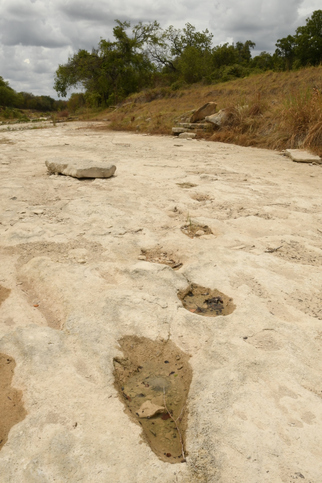
While modern Austin boasts a vibrant music scene and thriving tech industry, beneath its surface lies evidence of a dramatically different prehistoric landscape. You can witness this ancient world firsthand at the Leander dinosaur tracks, where naturally eroded limestone in the South Fork of the San Gabriel River has preserved three-toed footprints formed over 100 million years ago.
These impressions likely belonged to large theropod dinosaurs such as Acrocanthosaurus, a multi-ton predator that once roamed North America. Studying these tracks reveals dinosaur locomotion behaviors, including possible group movements suggested by track directionality.
During droughts, the San Gabriel River bed exposes these prehistoric treasures near Highway 183. Visitors can reach this paleontological site by parking near Green Valley Drive/US 183 and taking a short hike through grassy terrain down to the riverbed.
For protected specimens, visit the Texas Science & Natural History Museum (formerly Texas Memorial Museum) in Austin, where massive multi-ton Paluxy River trackways, excavated from near Glen Rose, are being conserved as part of a long-term project to preserve 113-million-year-old footprints from both a sauropod and a theropod.
Night Sky Fireballs: Central Texas’s Rare Celestial Phenomena
When the sun sets over Central Texas, residents occasionally witness spectacular astronomical events that outshine even the brightest stars. In recent years, observers from Austin to Houston and across the region have reported vivid green and blue fireballs streaking across the sky, sometimes bright enough to be captured on dashcams and doorbell cameras and logged with the American Meteor Society.
Some of the most memorable displays arrive during annual showers such as the Perseids in August or the North Taurids in November, the latter of which is associated with Comet Encke and is known for occasional bright fireballs rather than high meteor counts.
While no major meteor impact sites have been confirmed in the immediate Austin area, the American Meteor Society actively maps these events through public reports and visual evidence.
For the best viewing experience, seek out dark-sky areas away from Austin's light pollution. Under ideal conditions, the Perseids can produce dozens of meteors per hour. Some particularly energetic bolides may generate a delayed sonic boom, which eyewitnesses sometimes describe as a loud, distant rumble following an especially brilliant flash.
Birds of Prey: Austin’s Wild Rehabilitation Success Stories
From celestial visitors in the night sky to winged residents of Austin's landscape, the city's natural wonders don't end at meteor showers. You'll find remarkable success stories in raptor rehabilitation happening right in Central Texas, with nonprofits like Last Chance Forever – The Bird of Prey Conservancy historically treating 240–300 raptors a year and achieving an average 62–around 70% release rate back into the wild—significantly higher than many general wildlife averages.
These outcomes stem from strategic wildlife partnerships with organizations such as Vanishing Texas River Cruises, which has hosted public bird releases on Lake Buchanan, giving residents an up-close look at rehabilitated hawks, owls, and eagles returning to the skies. These events aren’t just spectacular to witness; they’re essential for ecological balance and natural rodent and pest control across Central Texas.
Public education campaigns remain imperative, helping residents understand when to call a licensed rehabilitator and when to let nature take its course. Each successfully rehabilitated raptor released represents the region’s ongoing commitment to preserving its wild inhabitants and the habitats they depend on.
Zilker’s Living Laboratory: Native Habitats Hidden in Plain Sight
Beyond the urban hustle of downtown Austin lies a remarkable ecological treasure—Zilker Metropolitan Park’s 351 acres harbor over 600 species of native flora and fauna, all within sight of the city skyline. This living laboratory blends Edwards Plateau and Blackland Prairie elements where you’ll find oak–juniper woodlands, open lawns, and riparian corridors along Barton Creek and the Colorado River.
You're witnessing a conservation success story when you visit. The park’s restoration efforts—guided by natural resource inventories and habitat management plans—have focused on removing invasive plants and promoting native species, creating diverse ecological niches that support seasonal blooms and wildlife throughout the year.
Zilker provides crucial habitat for hundreds of bird species and other wildlife, and sits atop the Barton Springs Segment of the Edwards Aquifer, home to the endangered Barton Springs Salamander, which depends on the springs and surrounding habitats for survival.
From the Hartman Prehistoric Garden’s ancient plantings to strategic tree canopy projects, these initiatives demonstrate how urban spaces can balance ecological preservation with recreation. Each trail walk or picnic connects visitors to ongoing conservation work just beneath the surface.
Where Art Meets Science: Bronze Mammoths and Prehistoric Paintings
Two colossal bronze mammoth sculptures now stand outside Baylor University’s Mayborn Museum in Waco, representing a powerful union of artistic vision and scientific precision within Central Texas’s museum landscape.
Sculptor Tom Tischler’s masterpieces are modeled directly on measurements from the Waco Mammoth National Monument, ensuring scientifically accurate representations of a Columbian mammoth nursery herd.
These sculptures, composed of hundreds of bronze pieces and weighing roughly 14,000 pounds, stand about 27 feet tall and were formally dedicated in May 2024 as part of the museum’s 20th-anniversary celebrations.
Inside the museum, immersive murals and exhibits transport you to prehistoric Texas, showcasing fossils from mammoths and other Ice Age fauna in their geological context.
This local paleontological art serves three key purposes:
- Educating visitors about Central Texas’s prehistoric past and changing climate
- Showcasing the region’s unique fossil discoveries, including mammoths and other megafauna
- Creating emotional connections between modern viewers and ancient ecosystems through large-scale sculpture and mural work
The outdoor bronzes are viewable 24/7, while the museum itself typically welcomes visitors daily from 10 a.m. to 5 p.m., inviting you to explore both the art and the science behind these giants.
Related posts