Austin Science Culture: Labs, Museums, & Unique Sites
You’ll discover Austin’s vibrant science culture through institutions like the Texas Science & Natural History Museum on the University of Texas campus, featuring dinosaur fossils and regional natural history exhibits.
The Thinkery offers hands-on STEAM learning for children, while the Austin Nature & Science Center provides free admission, wildlife exhibits, and interactive outdoor experiences. Research collections at the University of Texas Biodiversity Center further establish Austin as a hub for both public education and scientific study.
The Most-Visited Austin Science Museums
Austin’s science museum scene blends natural history institutions with interactive learning centers, making it accessible for all ages.
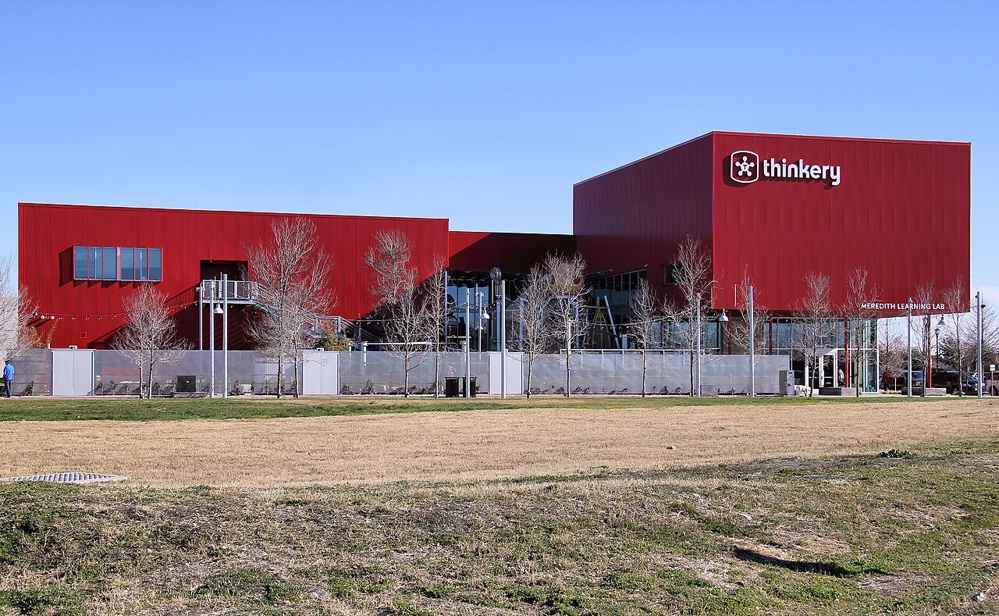
The Thinkery, formerly the Austin Children’s Museum, focuses on hands-on STEAM exhibits for younger audiences, including water play, engineering stations, and sensory-based learning environments.
The Texas Science & Natural History Museum on the UT Austin campus offers broader appeal with dinosaur fossils, wildlife dioramas, and geology exhibits that highlight Texas ecosystems.
Both museums are paid-entry institutions and provide distinct educational experiences depending on your interests.
Austin Nature & Science Center: Free Admission in Zilker Park
Located within Zilker Park, the Austin Nature & Science Center (ANSC) offers free, family-friendly science education. Established in 1960, the center focuses on environmental learning and wildlife rehabilitation.
Visitors can explore:
- Wildlife exhibits featuring non-releasable native animals such as owls, hawks, bobcats, and reptiles
- Dino Pit, where children can dig for fossil replicas
- Naturalist Workshop, showcasing rocks, minerals, and bones
- Forest Trail, highlighting native Texas plants
The center is operated by the City of Austin Parks and Recreation Department and remains one of the most accessible science-focused attractions in the city.
Texas Science & Natural History Museum on UT Campus
Located at 2400 Trinity Street, the Texas Science & Natural History Museum highlights Texas’ prehistoric and ecological history.
Exhibits include:
- Dinosaur fossils and trackways
- Wildlife displays representing Texas ecoregions
- Rotating exhibits on geology and biodiversity
The museum is housed in a historic Art Deco building and is within walking distance of other UT landmarks such as the LBJ Presidential Library.
Typical hours are Tuesday–Saturday 10 AM–5 PM and Sunday 1 PM–5 PM, though visitors should confirm schedules in advance. Admission is generally around $10, with discounts available for students and seniors.
Thinkery Children's Museum: Hands-On STEM for Kids
The Thinkery, located in the Mueller district, is Austin’s leading children’s science museum. It features approximately 40,000 square feet of indoor and outdoor exhibit space designed for interactive learning.
Popular exhibits include:
- Water-focused play areas that explore physics and motion
- Light and sound installations encouraging creative experimentation
- Role-play environments like mini markets and maker spaces
The Thinkery emphasizes play-based education and community access, with programs designed to support early childhood development and family learning.
The Dino Pit Fossil Dig and Paleontology Exhibits
The Dino Pit at the Austin Nature & Science Center offers an engaging introduction to paleontology. Children can dig for replica fossils in a shaded outdoor environment designed to simulate a real excavation site.
Additional features include:
- Fossil replicas and interpretive displays
- Educational signage about prehistoric Texas
- Viewing platforms for group learning
This hands-on experience remains one of Austin’s most popular free educational activities for families.
Touch-Friendly Nature Collections and Research Labs
Austin offers access to both public-facing exhibits and advanced research collections.
The Austin Nature & Science Center allows visitors to observe native wildlife up close, while UT Austin supports scientific research through facilities like the Texas Science & Natural History Museum collections and the Biodiversity Center.
The Biodiversity Center houses extensive collections, including:
- Over 1 million plant specimens
- Hundreds of thousands of insect, reptile, and amphibian samples
- One of the most significant Texas-focused biological research collections
These resources support ongoing research and contribute to scientific understanding of regional ecosystems.
Maker Spaces and Innovation Labs in Austin
Austin’s reputation as a tech-forward city is reflected in its growing network of maker spaces, fabrication labs, and innovation hubs.
ATX Hackerspace offers a community-driven workshop equipped with tools for electronics, woodworking, 3D printing, and metalworking, making it a popular destination for hobbyists and engineers alike.
MakeATX (Austin Public Library’s makerspace) provides public access to laser cutters, sewing machines, recording studios, and digital design tools, offering an accessible entry point for creative experimentation.
Universities and private organizations across Austin also support fabrication labs (Fab Labs) and prototyping spaces that bridge the gap between science, engineering, and entrepreneurship.
These spaces allow visitors and residents to engage directly with hands-on innovation and modern technology.
Specialty Science and Educational Centers
Austin’s science culture extends beyond traditional museums into specialized educational spaces.
The Texas Medical Association History of Medicine Gallery in downtown Austin explores the evolution of medical science through historical artifacts and physician stories.
Organizations like MathHappens Foundation bring math and science into public spaces through interactive installations and educational programming.
Nearby, the Science Mill in Johnson City—about an hour from Austin—offers a larger-scale interactive science experience with exhibits focused on engineering, physics, and technology.
Astronomy and Planetarium Experiences in Austin
Austin’s science culture extends into the night sky through astronomy programs, observatories, and public stargazing events.
The University of Texas at Austin Department of Astronomy regularly hosts public star parties and outreach events, where visitors can observe planets, stars, and deep-sky objects through professional telescopes. These events are often held on campus or at nearby dark-sky locations and are open to the public during select times of the year.
The Texas Museum of Science and Technology (TXMOST) in Cedar Park features a digital planetarium, offering immersive shows that explore space, astronomy, and physics concepts in a theater-style setting.
For a more remote experience, Pedernales Falls State Park and other Hill Country locations provide excellent stargazing conditions with minimal light pollution, making them popular for DIY astronomy nights and astrophotography.
Museum Hours, Admission Prices, and Free Options
Planning your visit helps maximize your experience across Austin’s science destinations.
- Texas Science & Natural History Museum: ~$10 admission, discounts available
- Thinkery: Paid admission with free or discounted community access days
- Austin Nature & Science Center: Free daily admission
Some institutions offer free days or reduced pricing, so checking schedules in advance can help you save.
Membership Benefits and Family Passes
Frequent visitors may benefit from annual memberships, which often include:
- Unlimited admission
- Discounts on programs and gift shops
- Access to member-only events
Memberships at places like the Thinkery and Texas Science & Natural History Museum can be cost-effective for families or repeat visits.
Regional institutions like the Science Mill also offer memberships with access to special events and educational programming.
Adult-Focused Science Experiences and Lectures
While many science attractions in Austin cater to families, there are also opportunities designed specifically for adult learners and enthusiasts.
The University of Texas at Austin frequently hosts public lectures, guest speaker events, and science talks covering topics from climate science to space exploration.
Museums and organizations occasionally offer after-hours events, workshops, and panel discussions that provide deeper engagement with scientific topics in a more relaxed setting.
Events like science-themed talks, innovation meetups, and tech networking gatherings reflect Austin’s strong connection to both academic research and industry innovation.
Austin's Science Scene: Free Learning and Research-Driven Exploration
Austin’s science culture stands out for its mix of free public education, family-friendly exhibits, and university-driven research.
From digging fossils at the Austin Nature & Science Center to exploring dinosaur exhibits at UT, visitors can experience science in both hands-on and academic environments.
The combination of accessible attractions and advanced research facilities makes Austin a compelling destination for anyone interested in science, nature, and discovery.
Where to Explore Science in Austin by Neighborhood
Austin’s science attractions are spread across the city, making it helpful to plan your visit by location.
Central Austin (UT Campus & Downtown):
Home to the Texas Science & Natural History Museum, UT research facilities, and public lectures. This area is ideal for combining science with historic and cultural landmarks.
Zilker Park Area:
Features the Austin Nature & Science Center, Barton Springs, and outdoor learning opportunities, making it a top destination for families and nature-focused exploration.
Mueller District:
The Thinkery anchors this area, alongside parks, restaurants, and family-friendly amenities.
North Austin / Cedar Park:
The Texas Museum of Science and Technology (TXMOST) offers expanded exhibits, including a planetarium, just outside the city core.
This regional breakdown helps visitors efficiently plan their science-focused itinerary.
Related posts