Outdoor Science Activities to Try When Exploring Texas Parks
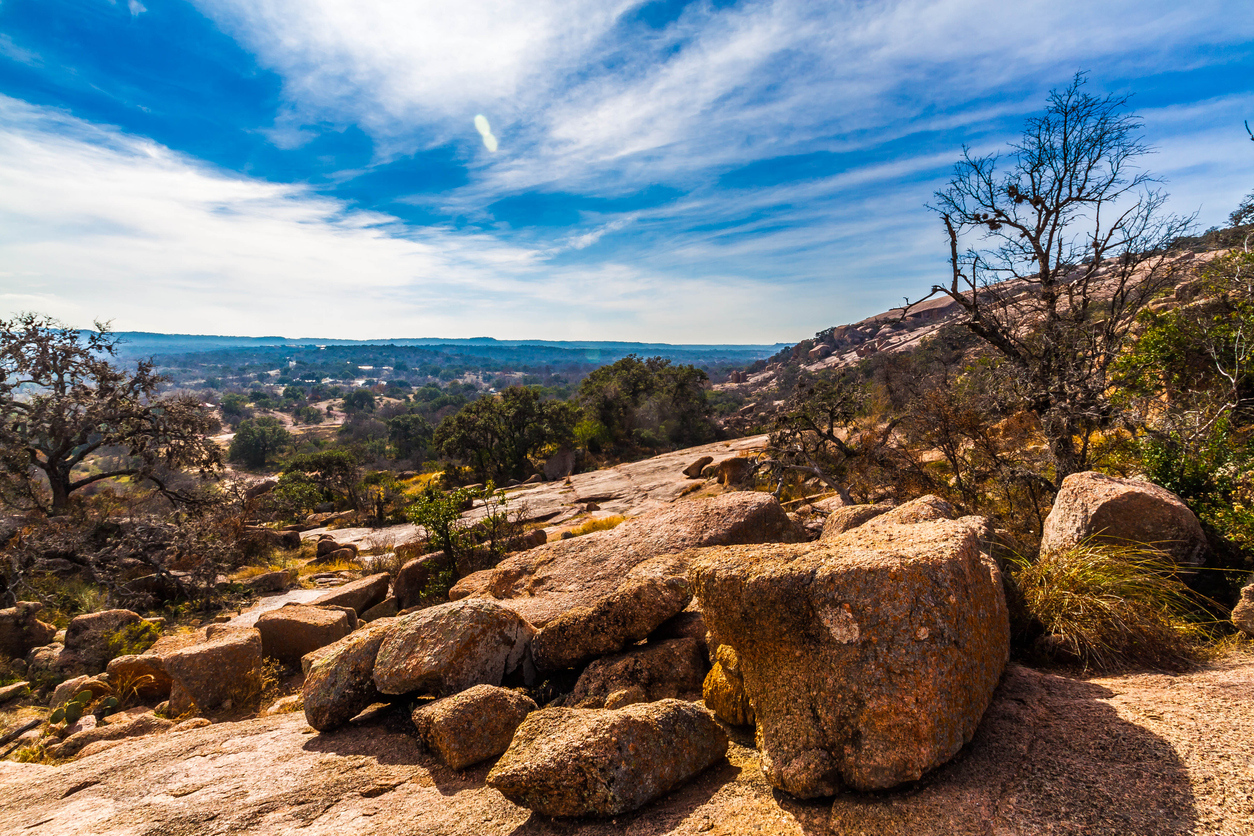
Texas parks offer a wide range of hands-on science experiences, from fossil exploration and cave geology to coastal ecology and astronomy. Across the state, you can study dinosaur tracks, limestone formations, wildlife habitats, and dark skies, all within accessible public lands and guided programs. Whether you're visiting Hill Country rivers, Gulf Coast beaches, or West Texas mountains, these activities turn a day outdoors into a real-world science experience.
Hunt Dinosaur Tracks in Ancient Texas Riverbeds
View this post on Instagram
Texas is home to some of the best-preserved dinosaur trackways in North America. At Dinosaur Valley State Park near Glen Rose, you can walk along the Paluxy River and see fossilized footprints from the Early Cretaceous period (about 113 million years ago). These include three-toed theropod tracks and large sauropod prints embedded in limestone. Tracks are most visible during low water conditions, typically in drier months. Sizes vary from under a foot to several feet across, depending on the species. Additional viewing sites include:
- Government Canyon State Natural Area (San Antonio) – Protected trackways accessible via guided hikes
- Heritage Museum of the Texas Hill Country (near Canyon Lake) – Preserved dinosaur tracks on private land with public tours
These sites provide insight into prehistoric ecosystems and animal movement patterns.
Observe Fossils Safely (Without Removing Them)
While fossil discovery is exciting, it’s important to follow Texas park regulations. In Texas state parks, collecting fossils is not allowed, but you can observe, photograph, and study them in place. Some locations and educational programs may offer demonstrations of fossil casting techniques, but removing specimens from public lands is prohibited. Instead, bring a notebook or camera and document:
- Track shapes and sizes
- Rock layers and formations
- Location and environmental conditions
This approach supports conservation while still allowing meaningful scientific exploration.
Explore Underground Caves and Mineral Formations
View this post on Instagram
Texas’s limestone geology has created an extensive network of caves filled with unique formations. Popular destinations include:
- Natural Bridge Caverns (near San Antonio) – One of the largest commercial cave systems in Texas
- Caverns of Sonora (West Texas) – Known for rare formations like helictites
- Longhorn Cavern State Park (Burnet) – Offers guided tours focused on geology and history
Inside these caves, you’ll see stalactites, stalagmites, flowstones, and other mineral formations formed over thousands of years. Temperatures inside caves typically remain cool and stable year-round, making them a comfortable environment for exploration.
Watch Sea Turtles Hatch on Texas Beaches
View this post on Instagram
Along the Gulf Coast, you can witness one of Texas’s most meaningful wildlife events: sea turtle hatchling releases. At Padre Island National Seashore, the National Park Service leads public hatchling releases—primarily for the endangered Kemp’s ridley sea turtle, the most endangered sea turtle species in the world. Hatchling release events typically occur between June and August, often announced with short notice based on nesting activity. Other coastal areas like South Padre Island, Port Aransas, and Galveston also support conservation efforts, though public release events are most consistently organized at Padre Island. Visitors should follow guidelines:
- No flash photography
- Keep distance from nesting areas
- Follow ranger instructions at all times
These events offer a powerful look at marine conservation in action.
Test Water Quality and Study Coastal Ecosystems
Texas coastal programs allow visitors to learn about water quality and marine ecosystems. The Texas Beach Watch Program, managed by the Texas General Land Office, monitors water conditions along the coast and shares public updates. In some locations, volunteer programs and educational groups provide opportunities to learn how scientists test:
- Bacteria levels (such as Enterococcus)
- Water clarity and temperature
- Ecosystem health indicators
You can also observe marine life such as fish, crabs, and shorebirds while learning how water conditions impact biodiversity.
Stargaze at McDonald Observatory’s Dark Skies
View this post on Instagram
Located in the Davis Mountains of West Texas, McDonald Observatory offers some of the darkest skies in the continental United States. Sitting at elevations above 6,000 feet, the observatory is part of the Greater Big Bend International Dark Sky Reserve, one of the largest dark sky regions in the world. Visitors can attend Star Parties, where astronomers guide you through:
- Telescope viewing of planets and galaxies
- Constellation identification
- Night sky navigation
Clear, low-light conditions make this one of the best places in Texas for astronomy-based outdoor science experiences.
Learn Constellations and Astronomy Across Texas Parks
Beyond McDonald Observatory, many Texas parks and organizations host stargazing programs and astronomy events. Groups such as the Houston Astronomical Society and Austin Astronomical Society organize public observing nights, often held in parks or designated dark-sky areas. Locations like Enchanted Rock State Natural Area and Colorado Bend State Park frequently host night sky programs led by park staff or volunteers. These experiences help visitors understand:
- Constellations and seasonal sky changes
- Cultural interpretations of star patterns
- Basic telescope use and astrophotography
Track Wildlife and Participate in Citizen Science
Texas parks and nature centers offer opportunities to engage in citizen science projects. At places like:
- Houston Arboretum & Nature Center
- Fort Worth Nature Center & Refuge
You can observe wildlife and contribute data through platforms like iNaturalist. Programs such as BioBlitz events and the City Nature Challenge encourage participants to document plant and animal species, helping researchers track biodiversity. These activities combine recreation with real conservation impact.
Try Geocaching and Field Data Collection
Geocaching adds a layer of exploration to Texas parks by combining GPS navigation with discovery. Using a smartphone or GPS device, you can locate hidden caches while also recording environmental observations such as:
- Vegetation types
- Wildlife sightings
- Terrain and elevation
Many parks encourage geocaching as a way to promote outdoor learning and navigation skills. This activity blends technology with nature, making it a great introduction to field research techniques.