Digital Tools and Local Production: How to Enhance Efficiency in the Oil and Gas Industry
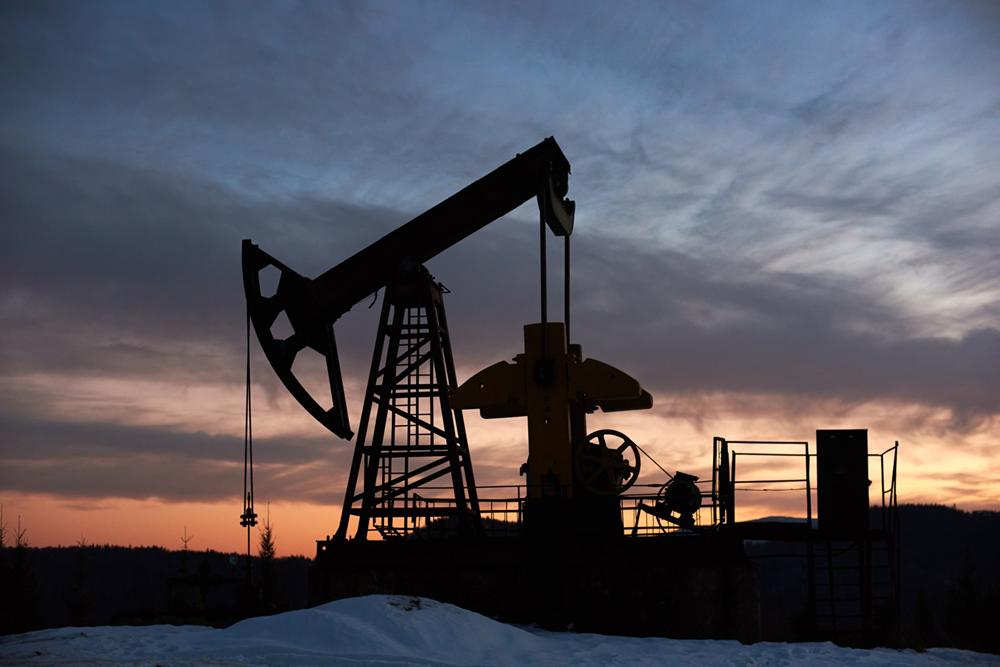
Reducing production costs amidst increasing technological complexity is a rare but achievable outcome. In 2024–2025, Russia launched the serial production of oil well filters, developed and manufactured entirely on a domestic basis. This project allowed for a 60% reduction in the production footprint and significantly lowered equipment costs, while still complying with the international API 5L standard—a key requirement for operating in the global oil and gas equipment market.
The economic benefits were achieved not through simplification, but through rationalization. Russian machinery and production lines turned out to be cheaper than foreign analogs while maintaining precision and reliability adequate for certified production. This was made possible by a systematic approach to localization, based on experience from working with international companies. Denis Korpachev, a graduate of Samara State Technical University, previously participated in projects with Weatherford, Schlumberger, Baker Hughes, and Turbomachinery Process Solutions. The accumulated competencies allowed for the adaptation of advanced practices to Russian conditions without sacrificing quality.
Special attention was given to the digital transformation of management processes. Implemented CRM systems with artificial intelligence modules increased the speed of application processing by 24%. The results were confirmed by publications in the journal *Science of Europe* and on the *CNews* portal in 2023. For planning and analytics, ERP platforms such as SAP ERP, Oracle ERP Cloud, and Microsoft Dynamics 365 are utilized. Data visualization through Tableau and Power BI allows for quick adjustments to production and logistics decisions based on real metrics.
The technical side of the project was also optimized for efficiency. Design was carried out in AutoCAD and SolidWorks, while engineering simulation was performed in ANSYS. This enabled the testing of structures in a virtual environment before production launch, reducing the number of physical prototypes and speeding up time to market. Integration into existing lines was ensured through Wonderware Application Server InTouch—a platform for industrial automation that minimizes downtime during implementation.
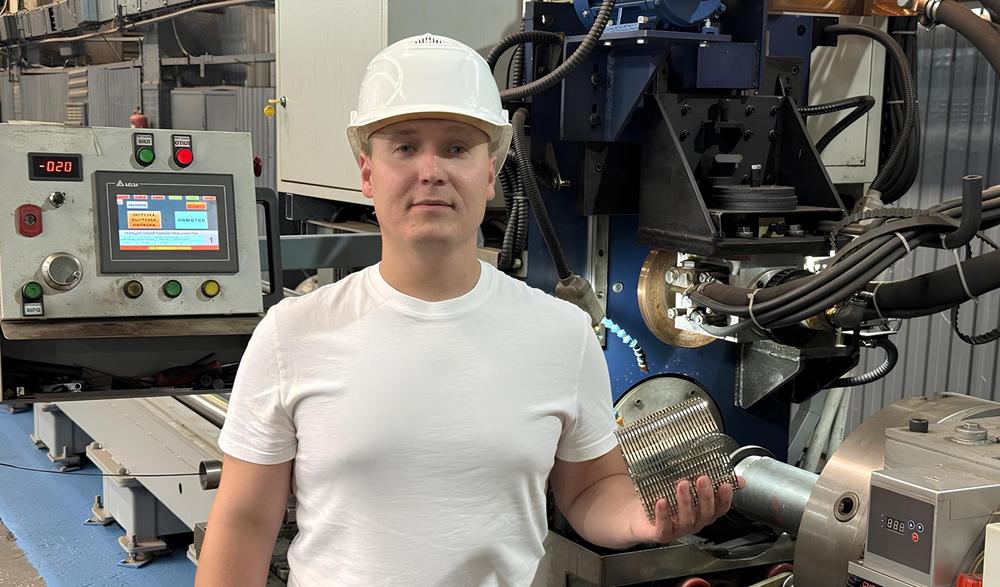
From 2024 to 2025, over 200 pilot launches were conducted at various fields. These tests confirmed not only the technical viability but also the economic feasibility of the solution. The filters demonstrated stable performance in aggressive environments and complex extraction modes, allowing for the transition to serial production without additional modifications.
Korpachev's scientific work includes more than 20 publications in international journals such as the *International Journal of Advanced Studies* and the *Technical Sciences Bulletin*. His works are indexed in Crossref and Google Scholar. He holds eight patents for oil and gas equipment and is a laureate of the ATYRAU OILGAS 2025 forum.
In addition to production projects, he participates in educational and charitable initiatives. His activities have been covered by regional media, including Progorodsamara.ru. In the current conditions, technological independence is no longer an abstract goal but a practical task. The localization of complex equipment while maintaining international standards demonstrates that Russian industry is capable not only of replacing imports but also of creating solutions that are competitive in terms of price, quality, and reliability. Such projects form the basis for the sustainable development of the oil and gas sector in the face of external constraints.
by Colton Hughes
Related posts