From scattered data to a unified picture: how operational analytics works in the rail industry
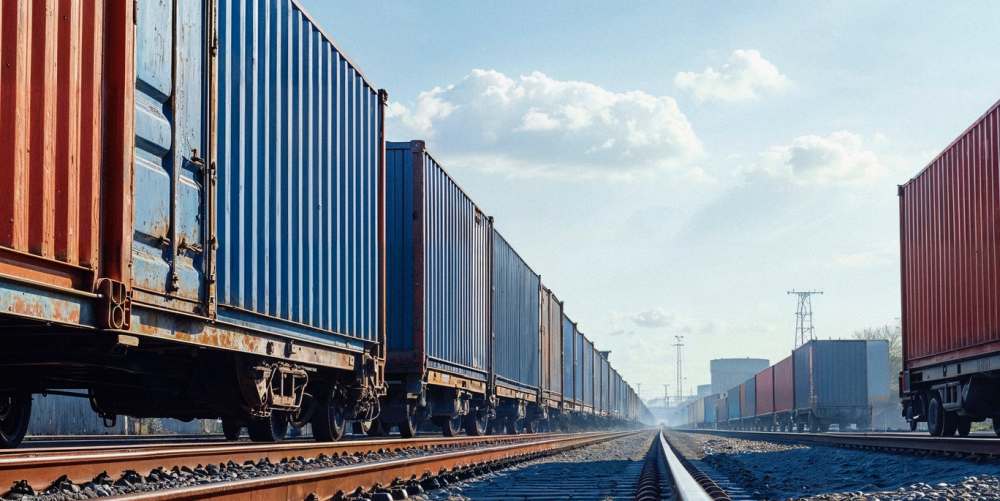
In the transportation industry, managing thousands of daily routes requires coordinating a wide range of resources: rail slots, locomotive power, crews, and station infrastructure. Any disruption in a single segment can set off a chain reaction of delays across multiple directions. Before the introduction of new analytics tools, information on train movements, traction readiness, station utilization, and schedule deviations was scattered across different sources. Dispatchers and managers had to piece together the full picture from fragments—through dispatcher reports, record-keeping systems, and real-time calls. A significant part of the work depended on the individual experience of specific specialists.
The solution was an in-house operating planning and analytical support system for the transportation process. Its key difference from standard reporting templates is that it works with live data rather than simply documenting events that have already happened. The tool highlights where there are risks of running behind schedule, where traction or crews are insufficient, and which stations are nearing the limits of capacity. Managers receive reliable performance indicators to support decisions—not just a statement of facts.
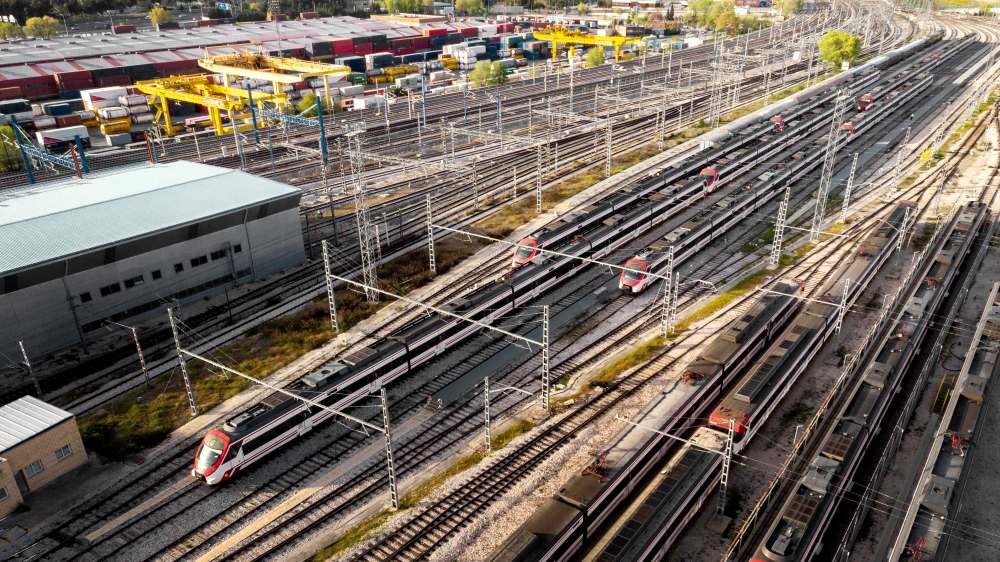
Mikhail Baiusov, an operations planning specialist, was responsible for shaping the logic of the entire system. His job was to define the indicators that are important for managing movement, the principles for aggregating them, and the sections used for display. On that basis, the structure of automatic reports and alert messages was developed: the system identifies anomalies, deviations from planned values, and approaching overload conditions for specific segments. The data-matching mechanisms across different sources were also worked out separately—dispatcher summaries, accounting systems, information on the location of rolling stock, and crew readiness.
The practical impact was evident in several areas. When, in a single interface, you can see which trains are approaching a segment, how much available capacity it has, and where locomotives and crews are located, the risk of bottlenecks and unnecessary idle time decreases. Managers can adjust the plan in advance—changing the departure sequence, redistributing traction resources, and reassigning train sets between segments. This reduces the number of situations in which a problem at one node affects subsequent trains. The system is built on existing infrastructure and internal data, which makes it scalable without complex deployments of external platforms.
One of the key challenges during the implementation stage is finding common ground between operations teams and digital specialists. On the one hand, you have people who work with the train schedule every day and know the bottlenecks. On the other, there are data scientists and IT specialists who need to translate that hands-on experience into models and algorithms. Mikhail Baiusov’s advantage was that he started from the operations side and understood how the freight-transport process actually works. This helped him turn real-world problems into technical requirements and filter out features that may look great on a diagram but only get in the way in practice.
For his contribution to the development and implementation of the solution, Mikhail Baiusov has received a number of professional awards. Among them is a winner’s diploma from the “Idea of JSC Russian Railways” innovation and rationalization proposals contest, which recognizes projects with measurable technological and economic impact. He has also received the CEO’s commendation for outstanding results in his professional work and for implementing innovative technologies, along with departmental incentives from the Ministry of Transport of the Russian Federation, including letters of thanks and certificates of honor. These awards confirmed that his contribution is recognized at the company and industry levels.

The prospects for digitizing the rail industry are seen as significant. Even now, there is a shift from disconnected systems to integrated solutions. The next step is the development of predictive analytics: forecasts for node capacity, risk assessments for potential disruptions, and recommendations for the optimal use of resources. It’s important that such tools are available not only at headquarters, but also at the level of line managers. The closer the analytics is to where decisions are made, the more practical value it provides.
The history of implementing the system shows that, in the transportation sector, digitization begins with specific questions: how to plan traffic movements, how to allocate resources, and how to make data accessible and useful for those who make decisions every shift. When these kinds of tasks are handled by specialists who know the industry from the inside and can think systemically, solutions emerge that change how management works for a major infrastructure company. Mikhail Baiusov’s experience demonstrates that the work you do every day can truly reshape the system—not just remain within the confines of reports.
Posted by Colton Hughes
Related posts