How to Build a Science Calendar Around Seasonal Discoveries
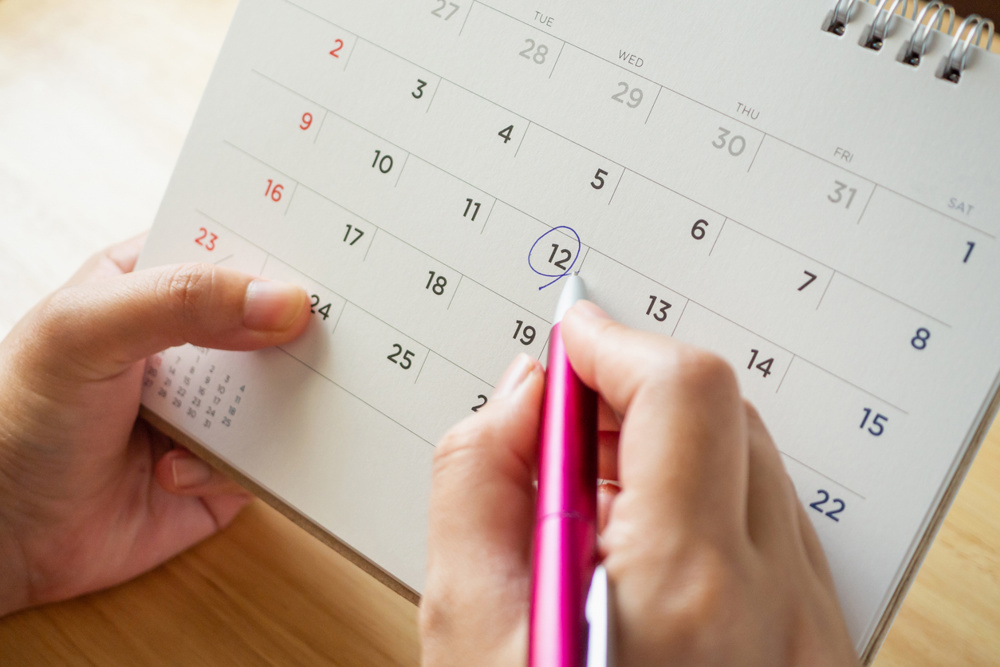
Building a science calendar around seasonal discoveries is no longer just an educational exercise. It’s part of a growing cultural shift toward mindfulness, environmental awareness, and everyday science. In a world where people are constantly scrolling through fast-moving content, many are turning back to slower, observational habits that reconnect them with the natural world. Science calendars fit perfectly into that shift.
At its core, a science calendar is simple: you observe, record, and track patterns over time. But what starts as a small habit—writing down when flowers bloom or when birds return—quickly becomes something much deeper. It turns time into something visible and meaningful. Instead of days passing unnoticed, they become part of a larger pattern you can actually see and understand.
What a Science Calendar Tracks (And Why It Matters)
A science calendar tracks the rhythms of the natural world. Instead of focusing on appointments or deadlines, it focuses on changes—subtle shifts that happen gradually but consistently throughout the year. You might track when certain flowers bloom, when leaves begin to change color, or when temperatures start to drop. You can also include sunrise and sunset times, rainfall patterns, or even the appearance of specific animals.
Each entry may seem small on its own, but together they form a timeline of seasonal change. This matters because it builds awareness. Many environmental changes happen slowly, making them easy to overlook. But when you track them over time, patterns become clear. You begin to notice if spring arrives earlier than usual, or if certain species appear less frequently.
It also creates a personal connection to science. Instead of reading about environmental change in abstract terms, you see it happening around you. This makes scientific ideas more tangible and easier to understand. A science calendar bridges the gap between observation and knowledge, turning everyday experiences into meaningful data.

Which Plants, Animals, and Events Are Worth Tracking
Once you know what a science calendar can track, the next question is what's actually worth putting on it. Focus on events that signal real seasonal shifts—things you can observe repeatedly and compare year to year. Prioritize native wildflowers, migrating birds, nocturnal mammals, and fungi.
Track these meaningful moments:
- Tamarack trees flushing gold before their needles drop
- Asters and goldenrods blooming as summer surrenders to fall
- Wood ducks lifting off water during their first migration flight
- Wooly bear caterpillars crossing roads before the first hard freeze
- Jack-in-the-pulpit berries blazing orange against fading green leaves
Each entry you make builds a personal baseline. Over time, you'll notice shifts that connect your backyard to something much larger than a single season. These shifts can reveal phenological mismatches between pollinators and the plants they depend on, with real consequences for how ecosystems function. Just as tracking seasonal observations over two to four weeks helps you identify patterns worth adjusting for.
Be sure to create your own custom science calendar to keep your tracking organized all year long.
Choose Your Format: Paper, App, or Online Database
The format you choose will shape how consistent your tracking becomes. A science calendar only works if you actually use it, so simplicity is key. Paper calendars offer a straightforward approach. Writing observations by hand can make the process feel more intentional and memorable. They’re also easy to review, allowing you to quickly see patterns across weeks or months.
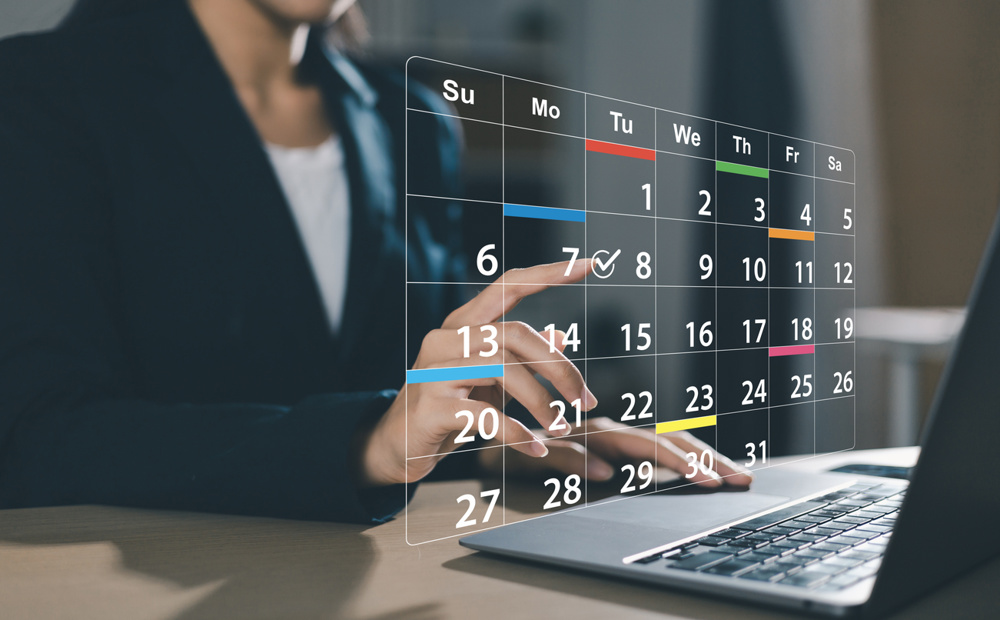
Digital tools provide flexibility. Apps allow you to add photos, notes, and timestamps instantly. This is especially useful if you’re observing things outdoors or want to capture details in real time. Some platforms also organize data automatically, making patterns easier to analyze.
A hybrid approach combines both strengths. You might record observations digitally during the day, then transfer key points to a physical calendar for long-term tracking. This gives you both convenience and clarity. Ultimately, the best format is the one that fits your lifestyle. The simpler it is to maintain, the more valuable it becomes over time.
Record Phenophases and Weather Patterns That Matter
Phenophases—the developmental life stages of plants and animals—give your science calendar its biological backbone. Track phenophase intensity biweekly, noting whether each stage is weak or strong. Combine observations with microclimate mapping to reveal how temperature and precipitation vary across your sites.
Record these emotionally grounding milestones:
- Breaking leaf buds emerging around April 25, signaling winter's retreat
- Maximum leaf cover blanketing landscapes by May 23
- Fruiting onset arriving July 22, marking summer's peak abundance
- Warm spring temperatures accelerating leafing and flowering earlier each year
- Growing degree days accumulating faster, quietly confirming a warming world
Correlate your weather data with phenophase onset. Higher precipitation can delay or buffer temperature-driven shifts, especially in arid environments. Warming autumn temperatures can also influence spring phenology, potentially reducing the early-leafing advantage that certain species like silver birch have historically held over slower-leafing trees.
Track Sunrise, Moon Phases, and Sky Events Alongside Phenology
Beyond biological cycles, the sky offers a powerful second layer for your science calendar. Track sunrise patterns by noting how daylight shifts one to two minutes earlier each spring day, peaks at the summer solstice around June 21, and retreats toward the winter solstice by December 21. These rhythms connect directly to what you're observing on the ground.
Layer in moon phases using the 29.5-day cycle. Log moonrise shifts, which move roughly 50 minutes later each day depending on phase. Note when the full moon rises at sunset or when crescent phases appear in the afternoon sky.
Use tools like SKYCAL or USNO to pinpoint eclipse dates, planet oppositions, and named full moons. Together, these sky events sharpen your calendar's scientific depth considerably. During crescent phases, look for earthshine dimly lighting the Moon's darkened near side, a subtle effect caused by sunlight reflecting off Earth.
Use Your Science Calendar to Predict Seasonal Events
Once you've built a consistent record of sky and ground observations, your science calendar becomes a predictive tool rather than just a log. Patterns you've tracked reveal when plant growth peaks, when animal behavior shifts, and when neighboring habitats diverge unexpectedly. This supports both predictive modeling and community forecasting.
Watch for these signs your calendar is working:
- A flower blooms two weeks earlier than last year—climate is shifting
- Nearby forests peak months apart—local geography drives hidden differences
- Animal behavior changes before visible plant cues appear
- Crop cycles drift from historical norms—food security hangs in the balance
- Misaligned seasons between neighboring habitats signal emerging ecological change
Your observations matter. They connect personal discovery to global understanding. Research shows that seasonal timing asynchronies between geographically close places can profoundly alter species interactions, reproductive patterns, and even long-term evolutionary trajectories across adjacent habitats.
Share Your Data With Scientists Who Actually Use It
Your science calendar doesn't have to stop in your backyard. Once you've tracked seasonal patterns, share that data with researchers who can actually use it. Platforms like OSF, Figshare, and Mendeley Data let you upload datasets publicly or privately while maintaining version histories.
Before depositing your data, de-identify it according to publisher or institutional guidelines and add metadata describing your collection methods. Understand data licensing so others know exactly how they can reuse your findings. Follow citation norms by ensuring your dataset is citable, giving you academic credit when researchers build on your work.
Scientists overwhelmingly support sharing—92% expect proper citation when their data gets used. Your seasonal observations could confirm findings, test generalizability, or spark discoveries far beyond what you originally recorded. Repositories like OSF are built on FAIR principles—findability, accessibility, interoperability, and reusability—ensuring your data remains discoverable and useful long after you've moved on to the next season.
Why Science Calendars Are Trending in Modern Culture
Science calendars are gaining popularity because they align closely with modern cultural priorities. More people are seeking activities that encourage mindfulness, sustainability, and a deeper connection to the natural world, especially as daily life becomes more digital and fast-paced.
On social media, practices like nature journaling and seasonal tracking have turned into visible trends. Short-form videos capturing blooming flowers, shifting skies, or migrating birds resonate widely because they offer calm, visually engaging content. These posts transform simple observations into shared experiences that others can replicate.
At the same time, rising awareness of climate change has made people more curious about environmental patterns. A science calendar provides a personal entry point into these larger issues, allowing individuals to observe change firsthand rather than just reading about it. This blend of personal reflection, visual appeal, and environmental relevance is what makes science calendars feel especially timely in today’s culture.
How Social Media and Apps Are Changing Nature Observation
Technology has significantly reshaped how people observe and interact with nature. Identification apps now allow users to recognize plants, animals, and constellations instantly, lowering the barrier to entry for beginners and making observation more accessible.
Social media adds another layer by turning these observations into shared content. People can post photos, compare findings, and engage with others who have similar interests, creating informal learning communities around nature tracking.
Visual content plays a central role in this shift. A single image or short clip can capture seasonal change in a way that feels immediate and compelling. This makes scientific observation feel less technical and more approachable. As a result, science calendars are no longer isolated personal tools—they exist within a connected ecosystem where observation, sharing, and learning happen simultaneously.
How to Turn Your Science Calendar Into a Daily Habit
Consistency is what gives a science calendar its long-term value. The more regularly you record observations, the clearer patterns become over time. Starting small is the most effective approach. Even one observation per day or a few entries per week is enough to build momentum without feeling overwhelming. The key is making the habit sustainable.
Linking it to an existing routine—like a morning walk, commute, or evening reflection—helps reinforce consistency. When observation becomes part of something you already do, it requires less effort to maintain.
Keeping entries simple also makes a difference. Brief notes are often more practical than detailed records, especially in the beginning. Over time, these small entries accumulate into meaningful insights. Ultimately, the goal isn’t perfection—it’s consistency. A simple system used regularly will always be more valuable than a complex one that’s difficult to maintain.
Conclusion
A science calendar is more than a tracking tool—it’s a way of seeing. It turns everyday moments into meaningful observations and connects personal experience to larger environmental patterns. In a world filled with fast-moving information, it encourages slowing down and paying attention.
As interest in nature, sustainability, and personal data continues to grow, science calendars are likely to become even more relevant. They offer a simple but powerful way to understand change—not just in the environment, but in how we relate to it. What begins as a few notes on a calendar can become something much bigger: a record of patterns, a tool for prediction, and a deeper connection to the world around you.
Related posts